




DESCRIPTION/OVERVIEW
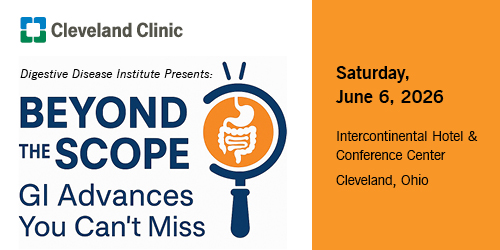
This comprehensive program is designed for healthcare professionals seeking to deepen their expertise in the diagnosis and management of complex gastrointestinal conditions. Through evidence-based discussions, multidisciplinary perspectives, and practical case applications, participants will enhance their clinical decision-making and procedural skills across a range of GI disorders.
FEATURED TOPICS
- Perianal Crohn’s Disease Evidence-based management approaches for complex cases.
- Functional GI Disorders vs. Active IBD Diagnostic distinctions and clinical implications.
- Intestinal Ultrasound Expanding role in clinical decision-making and disease monitoring.
- Malnutrition & Feeding Tube Management Best practices for nutritional support and long-term care.
- GI Dysmotility Evaluation and treatment strategies for motility disorders.
- Pancreatobiliary Disorders Updates in diagnosis and therapeutic approaches.
- Liver Disease Progression Clinical markers and management of chronic liver conditions.
- Hepatitis B & Hepatocellular Carcinoma Latest advancements in care, surveillance, and treatment.
WHY ATTEND?
Gain actionable insights from top specialists, engage in multidisciplinary dialogue, and leave equipped to improve outcomes for patients with complex GI conditions.
WHO SHOULD ATTEND
This course is designed for practicing physicians, fellows, residents, nurses, physician assistants, nurse practitioners, and other healthcare professionals in gastroenterology, internal medicine, family practice, and gastrointestinal surgery.
WHAT PAST ATTENDEES ARE SAYING
Presenter Feedback
“All speakers were highly knowledgeable and engaging.”
“Each presenter delivered informative and impactful content.”
“The talk on feeding tubes gave the most insightful and memorable presentation.”
Impact on Clinical Practice
“I now feel more confident educating patients on colitis diets and the importance of hepatitis B vaccination.”
“I gained a deeper understanding of long-term management strategies for Celiac disease and improved my knowledge of pain therapy in chronic pancreatitis.”
“I will initiate more discussions about nutritional tube types prior to placement to improve tolerance outcomes. I also plan to continue using EGD as the standard diagnostic tool for adult Celiac disease and apply targeted dietary strategies for patients with IBD.”
EDUCATIONAL OBJECTIVES
After completing this educational activity, the participant will be able to do the following:
- Evaluate evidence-based strategies for managing perianal Crohn’s disease, including medical, surgical, and multidisciplinary approaches.
- Differentiate functional gastrointestinal disorders from active IBD and design patient-centered management plans.
- Assess the role of intestinal ultrasound in diagnosis, monitoring, and treatment response compared with other imaging modalities.
- Recognize malnutrition in clinical practice and troubleshoot common feeding tube issues.
- Elicit differential causes and management of dysmotility in the GI patient.
- Identify when hepatitis B can be treated, and when it is ok to wait.
- Review pathophysiology of fatty liver and ways to prevent its progression.
- Discuss disorders of pancreatobiliary processes.
- Review clinical management of pancreatobiliary disorders.