


Why Attend?
This one-day course will provide up-to-date reviews in the management of thyroid diseases with a focus on the advances in thyroid cancer care.
Gain a concise, practice-focused update on the latest developments in thyroid care, including evidence-based treatment of primary hypothyroidism, management considerations in malabsorption, and the growing role of thyroid ultrasound, percutaneous procedures, and real-time imaging in clinical decision-making. The program also explores key advances in differentiated and advanced thyroid cancer, from 2025 ATA guideline–driven pathology and molecular testing to multidisciplinary care, emerging neoadjuvant strategies, radiation outcomes in aggressive disease, and the pathophysiology of thyroid eye disease.
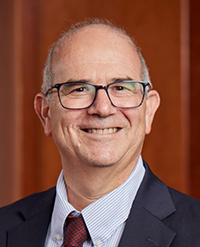
Featuring Keynote Speaker
Matthew Ringel, MD
Join us for a session with Dr. Ringel, professor and chair of Molecular Medicine and Therapeutics at The Ohio State University College of Medicine and co-chair of the ATA task force behind the newly released ATA guidelines. He will deliver a concise, high-impact overview of differentiated thyroid cancer— This is a standout opportunity to hear directly from one of the field’s leading voices—an essential session you won’t want to miss.
Who should attend?
The course is designed for a multidisciplinary audience. Physicians, nurses, physician assistants, residents, fellows, and other health care professionals in primary care as well as other specialties such as endocrinology, surgery, pathology, genetics, immunology, and oncology are invited to attend.
After completing this course, participants will be able to:
- Apply current evidence and guideline-based strategies to the diagnosis and management of primary hypothyroidism, including treatment considerations for patients with malabsorption.
- Assess the indications, effectiveness, and outcomes of modern radiation therapy techniques and explain the underlying pathophysiology and medical management of thyroid eye disease.
- Evaluate multidisciplinary and emerging treatment approaches for advanced and aggressive differentiated thyroid cancer, including neoadjuvant therapies and the role of caregivers.
- Integrate pathologic and molecular features of differentiated thyroid carcinoma in alignment with the 2025 ATA guidelines to guide risk stratification and management.
- Interpret and utilize point-of-care thyroid ultrasound to inform clinical decision-making, including real-time assessment and percutaneous procedures.